
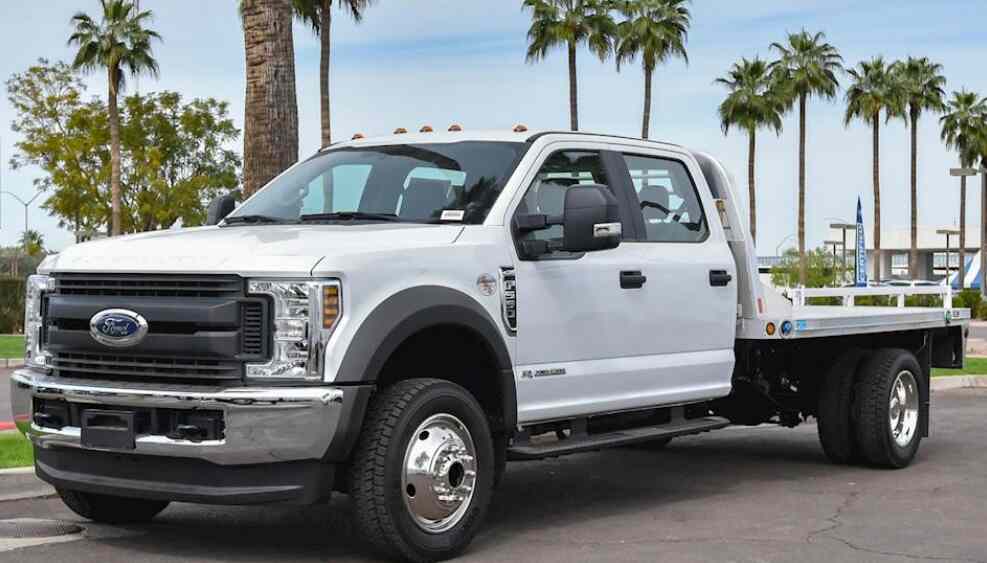
Mobile fleet service is a growing trend as companies aim to reduce driver downtime, lower their total cost of ownership (TCO), and increase customer-service response time. These “repair shops on wheels” also have the potential to help reduce driver turnover and improve fleet maintenance compliance.
The rise of mobile fleet services
A few venture capital-backed startups have mushroomed across North America in recent years. They all use web- and mobile network-connected vans, pickup trucks, and mini-tankers to bring service stations directly to the vehicle, reducing unscheduled downtime and saving fleets a significant amount of money on repairs and preventive maintenance. In addition, these companies provide a full range of vehicle service options, from brakes to transmissions to emissions systems.
YourMechanic’s Mobile Repair and Maintenance
Many public sector fleets have vehicles parked in a central lot, but social distancing has encouraged some companies to allow employees to take their vehicles home for maintenance and repairs. According to YourMechanic’s President Anthony Rodio, these fleet clients benefit from its mobile maintenance and repair services, which help keep vehicles in transit, uphold safety compliance and reduce depreciation costs.
The benefits of mobile fleet service
When it comes to fleet maintenance, companies with experienced, knowledgeable technicians onsite are the most effective in keeping their vehicles operating smoothly. However, those who have only in-house technicians performing the work on their vehicles may not be trained to spot more complex problems that could lead to costly downtime, unnecessary breakdowns, and towing charges.
In contrast, a professional mobile fleet service provider can send a crew of mechanics to your business with fully equipped vehicles and the tools to handle any repair or maintenance job your fleet needs. These are typically much more cost-effective and can be a real advantage in the long run for your company.
Conclusion
These companies deliver preventive maintenance to the vehicle instead of sending it to the shop, making it possible for vehicles to get their PMs when they’re most convenient. They also make it possible to inspect a fleet’s inventory onsite, enabling companies to catch issues before they become more expensive and cause downtime and additional towing charges.
